If you picture waterfront living as equal parts beauty and simplicity, Poppasquash in Bristol asks you to think a little deeper. This is a place where privacy, open space, boating access, and coastal stewardship all come together. If you are considering a home here, understanding how the area works can help you decide whether it fits your lifestyle and long-term plans. Let’s dive in.
Why Poppasquash Stands Out
Poppasquash Neck sits west of downtown Bristol and offers a very different feel from a typical neighborhood. Town planning materials describe it as low-density residential land with open space, and Rhode Island Housing identifies it as one of Bristol’s least densely populated areas.
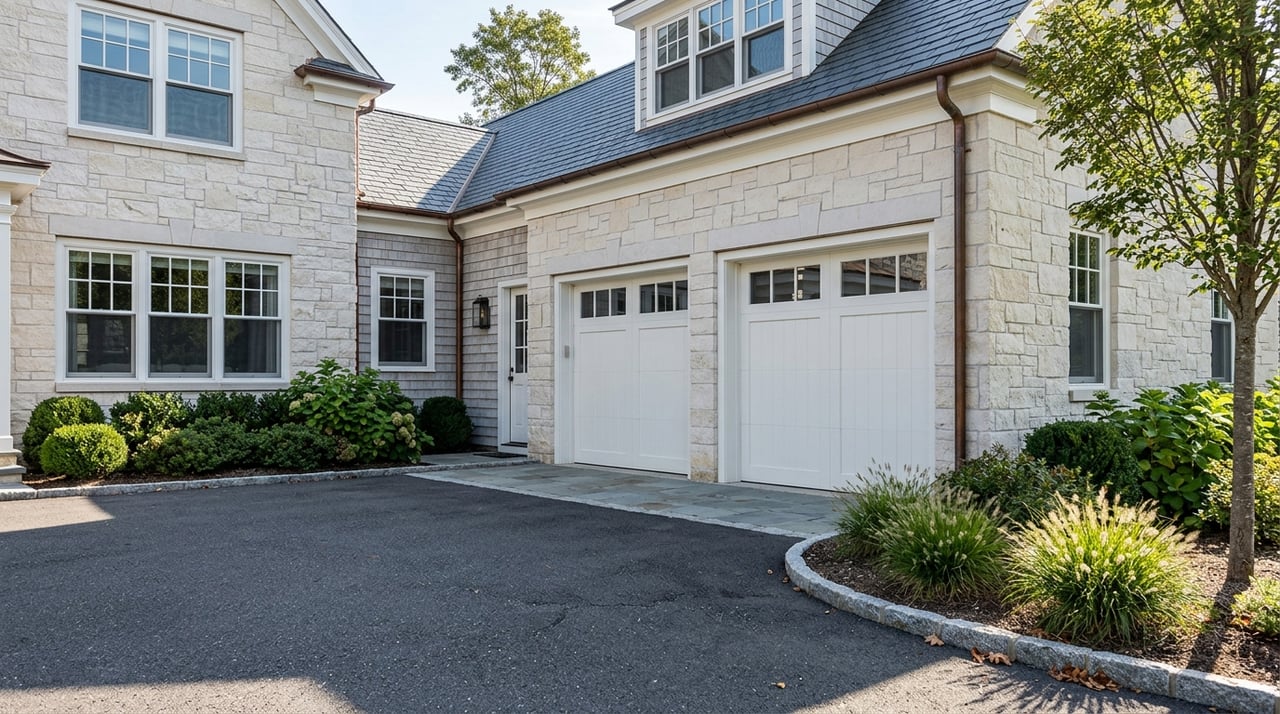
That matters because the homes here are generally single-family properties on large lots, often at least an acre and sometimes much larger. In day-to-day life, that lot pattern tends to create a more private, landscape-focused coastal setting rather than a subdivision feel.
Poppasquash also has a strong historic and scenic identity. The Poppasquash Farms Historic District is listed on the National Register, and Colt State Park occupies the former summer estate of Samuel P. Colt, adding another layer of preservation value and shoreline character to the area.
What Waterfront Life Feels Like
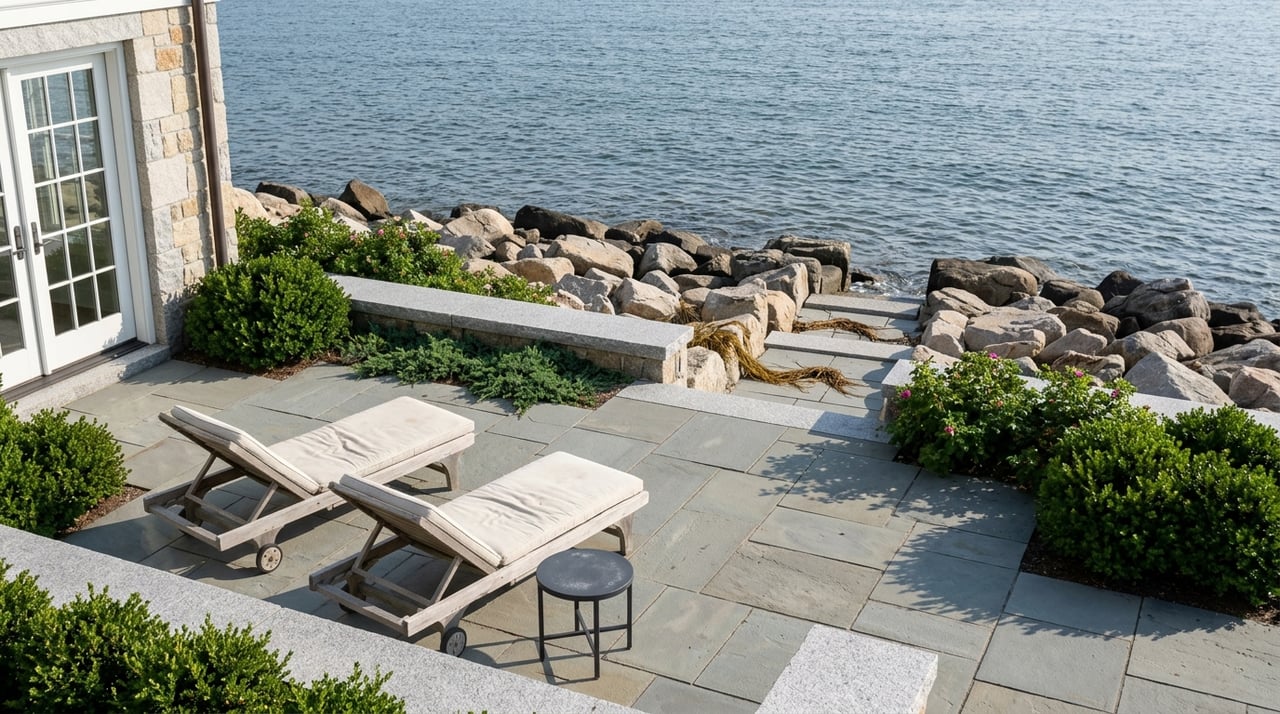
Waterfront living in Poppasquash is not just about the view from your windows. It is also about how you use the water, the parks, and the wider Bristol shoreline.
Bristol offers miles of coastline, bike paths, walking trails, beaches, and public parks. For many buyers, that means life here can feel active and relaxed at the same time, with room for boating in one season and shoreline walks in another.
The town’s Harbormaster oversees boating activity, public boat ramps, docks and moorings, public rights-of-way to the waterfront, and parking along the Thames Street waterfront. The harbor area is also within walking distance of Bristol’s historic shops and restaurants, which adds convenience if you want access to town services without giving up a more private home setting.
Boating and Harbor Access
If boating is part of your plan, Bristol offers useful infrastructure beyond the shoreline itself. The Maritime Center provides practical amenities such as restrooms, showers, laundry, Wi-Fi, vending, ice, and other supplies.
The harbor page also identifies a fuel dock at State Street Pier. For second-home owners or seasonal users, these details can make arrival days and repeat weekend use much easier.
Parks, Paths, and Outdoor Space
Colt State Park is one of the major lifestyle benefits near Poppasquash. The park spans 464 acres and includes four miles of paved pathways, shoreline along Narragansett Bay, a canoe and kayak launch, and a boat ramp.
Its trails connect with the East Bay Bike Path, a 13.8-mile route between Providence and Bristol. Bristol Town Beach, next to Colt State Park, adds a sandy beach and sports complex, giving you more ways to enjoy the waterfront beyond private property lines.
Why Buyers Are Drawn Here
For the right buyer, Poppasquash offers a very specific kind of coastal lifestyle. It tends to appeal to people who value privacy, larger parcels, and a setting that feels established rather than crowded.
You may also be drawn to the balance between separation and convenience. Bristol is a small seaside town of about 22,000 residents, with 20.6 square miles of land area, a downtown, recreation assets, and access to Providence and Boston.
That means a home in Poppasquash can feel tucked away while still being part of a broader town with everyday services and regional reach. For many buyers, that mix is a big part of the appeal.
Coastal Ownership Takes More Planning
As attractive as waterfront living can be, coastal ownership in Rhode Island comes with more diligence than an inland purchase. In Poppasquash, that is not a drawback so much as part of the package.
The Rhode Island Coastal Resources Management Council, or CRMC, says a permit is required for construction or alteration on a shoreline feature or within 200 feet of one. Docks, marinas, grading, and shoreline protection structures can all trigger review.
That means improvements you might see as routine on another property may require a closer look here. It is important to understand not only what exists on the property today, but also what may be allowed or restricted in the future.
Seawalls and Shoreline Improvements
Existing shoreline hardscape can require ongoing attention. CRMC regulates maintenance of seawalls and other shoreline protection structures, so these features may involve continued review and upkeep rather than a one-time installation.
Bristol’s hazard plan adds helpful local context. It identifies the Poppasquash Road corridor and the low-lying bridges at Mill Gut Pond and Mill Pond as vulnerable to high-tide coastal flooding, and it records a 2012 storm that damaged seawall infrastructure and undermined Poppasquash Road.
For buyers, this is a reminder to ask detailed questions about any seawalls, revetments, docks, or other shoreline improvements. The condition, maintenance history, and permitting status all matter.
Flood Insurance and Storm Exposure
Flood insurance is another key part of your research. CRMC explains that standard homeowner insurance does not cover flood damage, and flood insurance may be required in high-risk flood zones.
CRMC also advises buyers to use FEMA or RIEMA flood tools and elevation certificates rather than relying on an older insurance premium from the seller. In practical terms, that means insurance cost assumptions should be verified early, not late in the process.
Seasonal access is worth thinking through as well. Bristol’s hazard plan notes that the Mount Hope Bridge closes when sustained winds exceed 70 miles per hour or when other dangerous winter weather exists.
Septic, Sewer, and Older Housing Stock
Waterfront due diligence is not limited to the shoreline itself. If a property uses septic, coastal wastewater rules may affect future maintenance or upgrades.
CRMC notes that septic systems near the shore face extra requirements, and cesspools within 200 feet of the shoreline may need replacement or sewer connection. That makes it important to confirm whether a home is on town sewer or septic and whether any shoreline-related wastewater work may be needed.
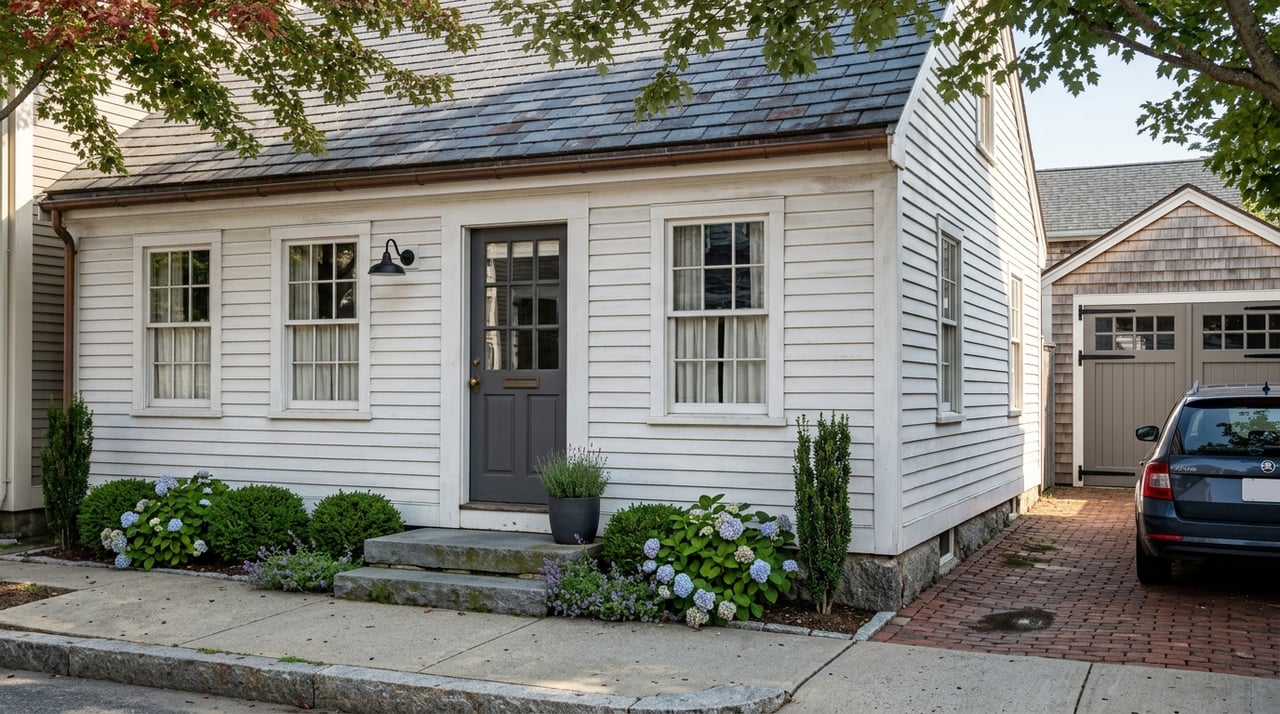
Bristol’s housing stock is also relatively old overall, with a median construction year of 1966. Even before you factor in coastal exposure, inspections and capital planning matter in this market.
Privacy and Public Shoreline Access
One of the biggest draws of Poppasquash is privacy. At the same time, Rhode Island’s shoreline rules mean privacy does not always equal complete separation from public access.
CRMC maintains a shoreline access map and explains that public rights-of-way to the shore are legally recognized. The Rhode Island Constitution also preserves shore privileges such as fishing, swimming, and passage along the shore.
If a quiet waterfront setting is high on your list, it is smart to confirm where public access exists near a property and what remains private. That step can help you better understand daily use, parking patterns, and how the shoreline experience may feel over time.
Is Poppasquash Right for You?
Poppasquash tends to be a strong fit if you want a coastal home with land, privacy, and a close connection to Bristol’s shoreline lifestyle. It can work well as a seasonal retreat, full-time residence, or a longer-term family gathering place, depending on the property and your goals.
The bigger question is whether you are comfortable with the responsibilities that come with it. Larger-lot upkeep, marine access planning, storm resilience, permitting review, and long-term capital planning are all part of owning in a setting like this.
For many buyers, that tradeoff is exactly the point. You get scale, scenic value, and a distinct sense of place, but you also need to approach the purchase with clear eyes and solid local guidance.
Poppasquash Due Diligence Checklist
Before you move forward on a waterfront home in Poppasquash, focus on these essentials:
- Confirm the flood zone and obtain an elevation certificate if needed before estimating insurance costs.
- Verify how dock or mooring access will work and whether town procedures or public access rules affect the property.
- Review the history of seawalls, revetments, docks, or other shoreline improvements.
- Ask whether the home uses town sewer or septic and whether coastal wastewater upgrades may be needed.
- Budget for inspections and capital reserves, especially given Bristol’s older housing stock.
- Consider how weather disruptions or bridge closures could affect full-time or seasonal use.
If you are exploring waterfront homes in Bristol and want clear, local guidance on what to look for, connect with Cathy Sousa for a free consultation tailored to your goals.
FAQs
What makes Poppasquash in Bristol different from other waterfront areas?
- Poppasquash is known for low-density residential land, large lots, open space, and a more private coastal setting than a typical neighborhood layout.
What should waterfront buyers in Poppasquash ask about boating access?
- You should confirm how docks, moorings, ramps, and harbor access work for the specific property, along with any town oversight that could affect use.
What flood insurance issue matters for homes in Poppasquash?
- Standard homeowner insurance does not cover flood damage, so buyers should verify flood zone status and use current flood tools and elevation information before estimating costs.
What property improvements in Poppasquash may require permits?
- In Rhode Island coastal areas, construction or alteration on a shoreline feature or within 200 feet of one may require CRMC review, including some docks, grading, and shoreline protection work.
What should buyers know about septic systems near the Poppasquash shoreline?
- Coastal septic systems can face extra requirements, and some cesspools within 200 feet of the shoreline may need replacement or sewer connection.
Is Poppasquash in Bristol a good fit for a second home?
- It can be a strong option for a second home if you want privacy, boating access, and outdoor recreation, but you should also plan for weather, maintenance, and access disruptions.