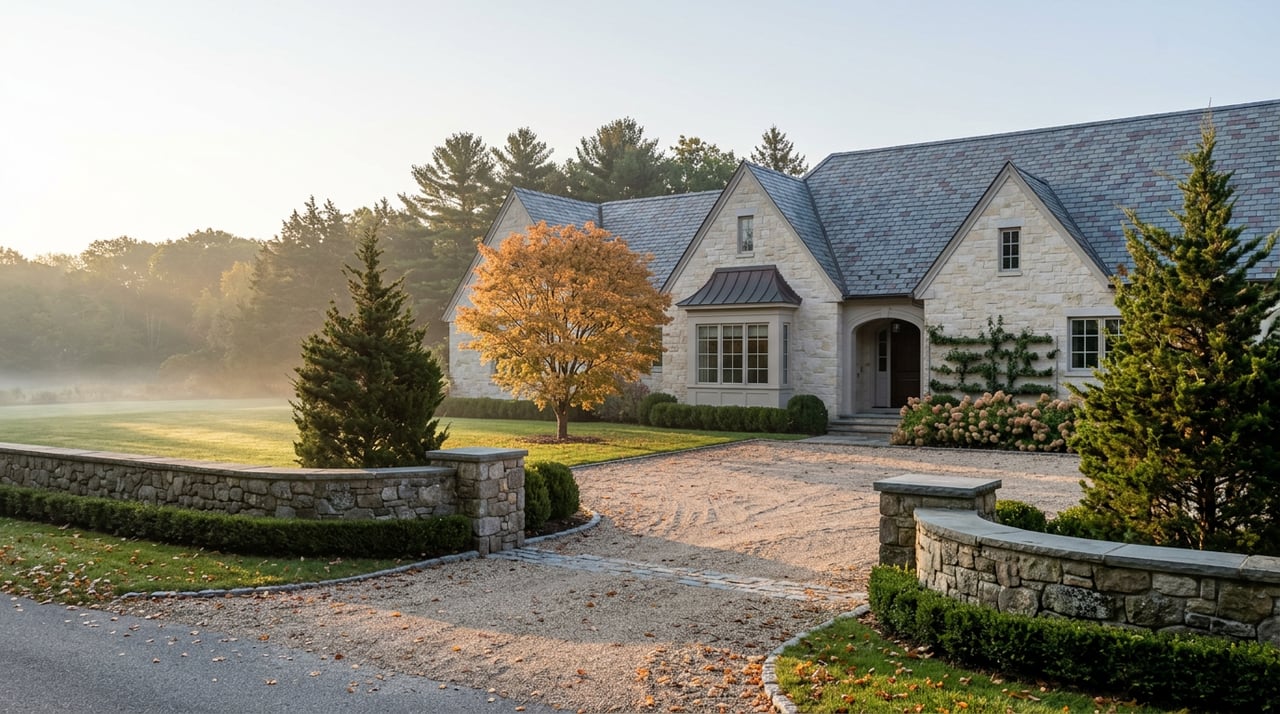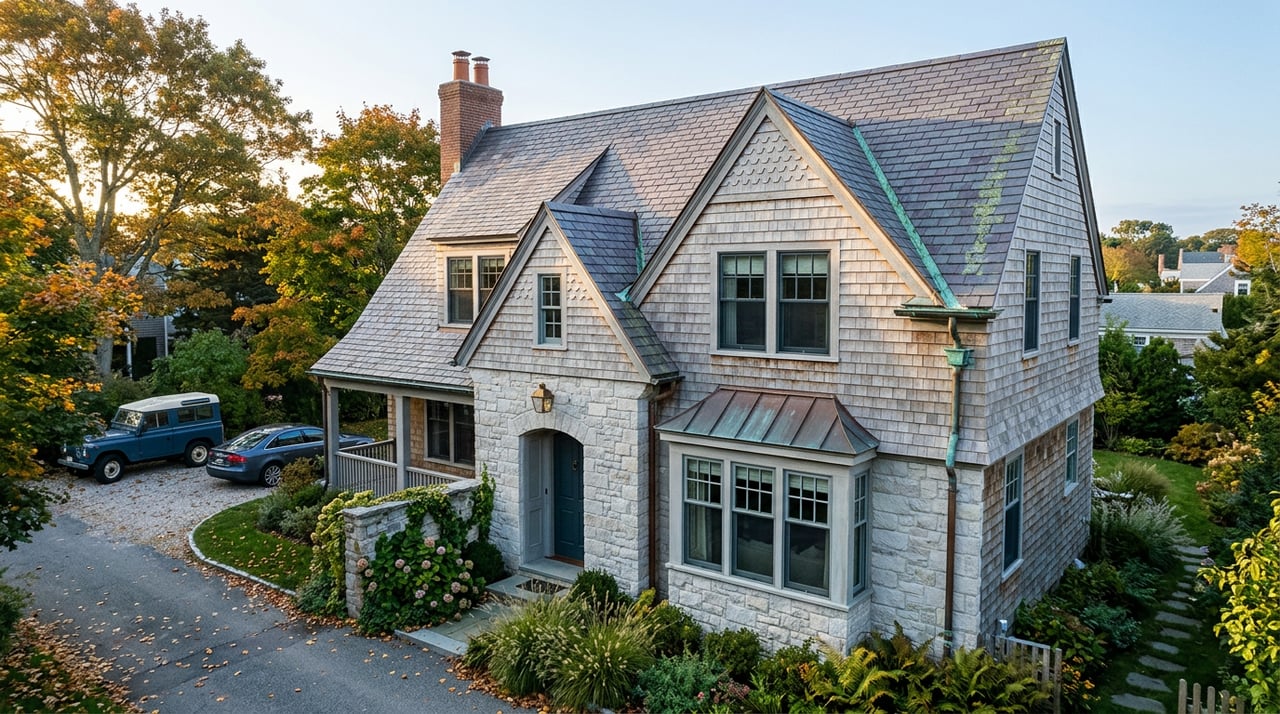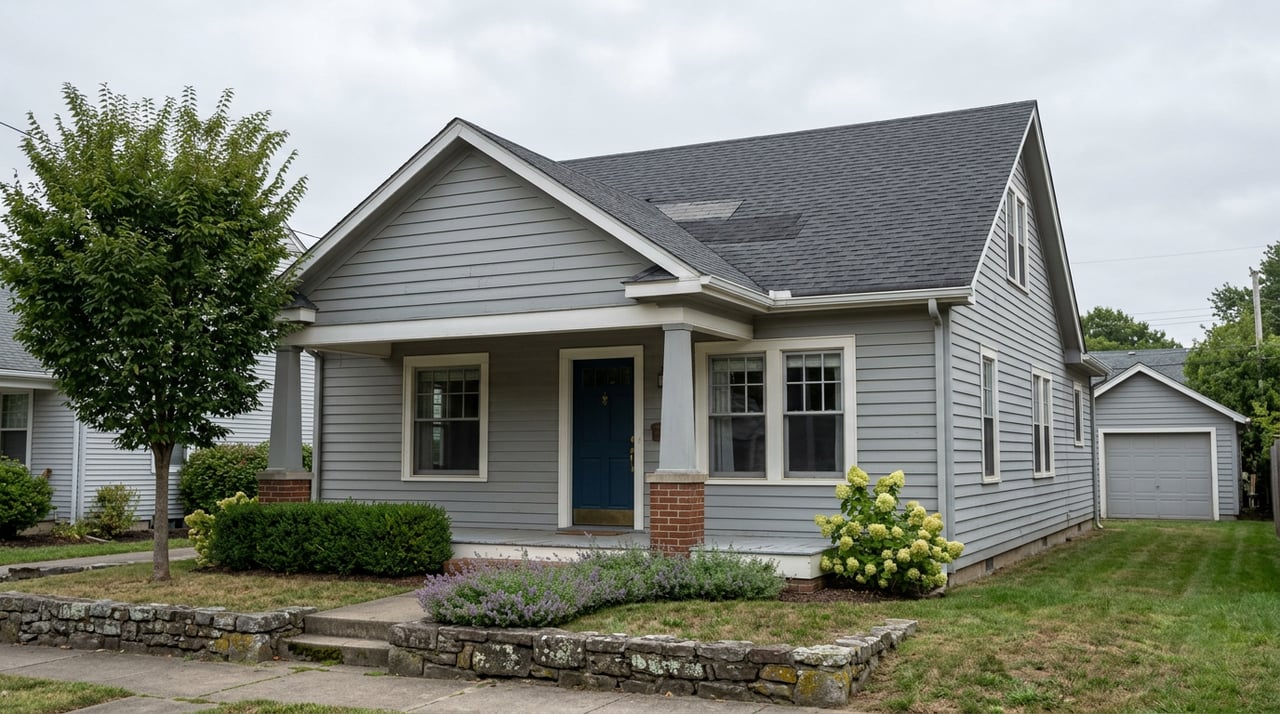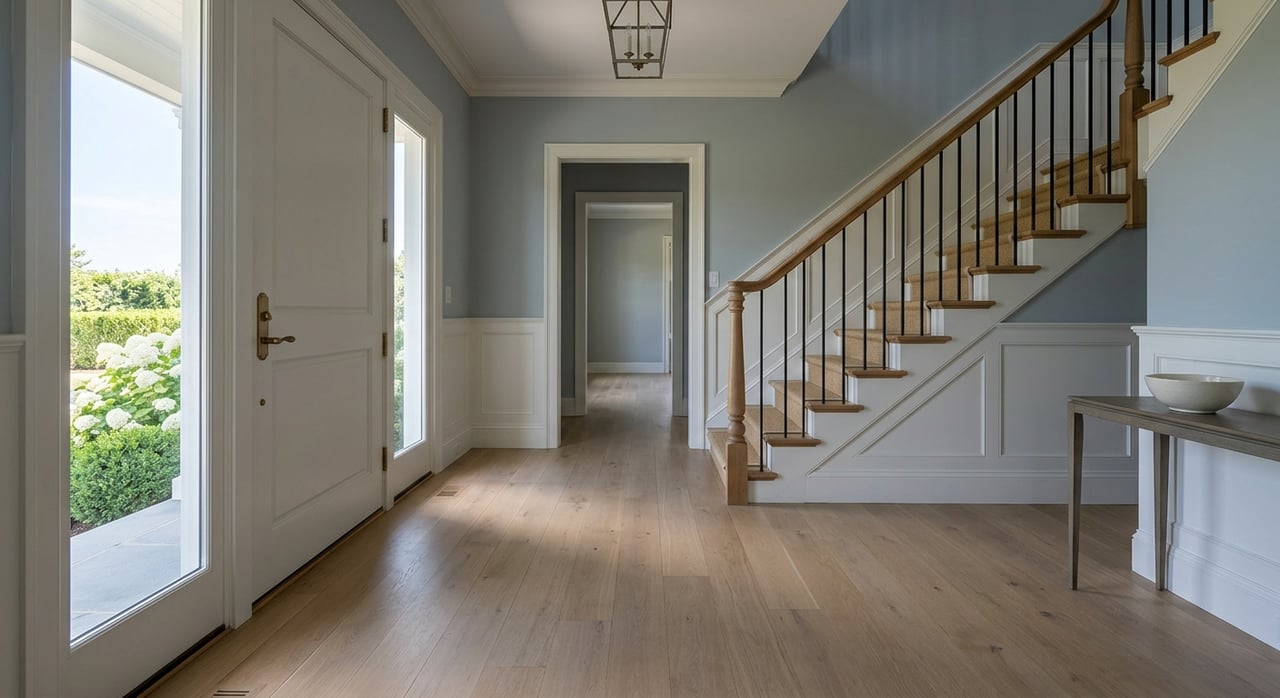
Selling your East Side Bristol home can feel simple on the surface, but the homes that stand out usually follow a smart plan before they ever hit the market. If you want strong buyer interest, fewer surprises, and a smoother path from list date to closing, the prep work matters. The good news is that you do not have to guess what to do first. This guide walks you through how to prepare your home, prioritize updates, and launch with confidence in today’s Bristol market. Let’s dive in.
Understand today’s Bristol market
Before you paint a room or book photos, it helps to know what kind of market you are stepping into. Bristol is still a meaningful seller’s market, but buyers are paying attention to price, condition, and presentation. According to Redfin’s Bristol housing market data, the median sale price was $565,000 in March 2026, with median days on market at 54.
At the same time, realtor.com’s Bristol snapshot showed 42 homes for sale, a median list price of $615,000, 37 median days on market, and a 100% sales-to-list ratio in February 2026. The takeaway is simple: buyers are active, but your pricing and launch strategy still need to be sharp. In Bristol, recent local comparables matter more than broad statewide trends.
Highlight the East Side Bristol lifestyle
When buyers shop in Bristol, they are not just comparing square footage. They are also thinking about how the home connects to the town’s coastal and historic character. Bristol’s official Places of Interest page highlights the downtown historic district, waterfront access, local shops and restaurants, the East Bay Bike Path, Town Beach, and Colt State Park.
That means your home preparation should support the lifestyle buyers already want. A clean front entry, bright interior light, easy flow, and polished outdoor areas can help buyers picture everyday life near the harbor, downtown, and local recreation. Bristol also notes convenient access through Downtown Bristol and major routes, which can support a location-focused marketing story alongside your home’s features.
Start with a pre-list inspection
A pre-sale inspection is optional, but it can be one of the most useful early steps. The National Association of Realtors says a pre-list inspection can uncover issues with the structure, exterior, roof, plumbing, electrical systems, heating and air conditioning, interiors, insulation, ventilation, fireplaces, and possible health-related concerns such as mold, radon, lead paint, and asbestos. You can review that guidance in NAR’s consumer guide to preparing to sell your home.
Why does this matter? Because surprises found after you accept an offer can slow the deal down or change your negotiating position. If an inspection reveals larger issues, you can decide whether to repair them, price around them, or prepare documentation and estimates before buyers raise questions.
Gather disclosures and paperwork early
Preparation is not only about appearance. It is also about being organized. NAR recommends collecting warranties, guarantees, and user manuals for systems and appliances that will stay with the home, such as the furnace, dishwasher, washer, or dryer, so you can reduce last-minute friction later in the transaction.
Rhode Island also requires sellers to provide a written disclosure to the buyer and agents before signing an agreement to transfer real estate. You can review the requirement in the Rhode Island disclosure law. If your home was built before 1978, federal lead rules add extra steps, including disclosure of known lead hazards, an EPA lead pamphlet and warning statement, and time for the buyer to test for lead.
Plan repairs with Bristol’s older homes in mind
Not every repair is worth doing before you list, but some issues are better handled up front. If your East Side Bristol home has older windows, trim, porches, or siding, it is smart to think ahead about exterior work. For pre-1978 homes, the Rhode Island Department of Health says exterior lead-paint disturbance must be handled by a licensed Lead Renovation Firm and requires seven days of written notice to nearby neighbors, as outlined on the state’s lead information for homeowners.
That means last-minute exterior touch-ups may not be as simple as they seem. If visible peeling paint or worn exterior details need attention, plan early. In many cases, the highest-value repairs are the ones that remove obvious buyer concerns, support financing, or improve the first impression without over-improving the property.
Check historic district rules before exterior work
Some East Side Bristol homes fall within the Local Historic District, and that can affect your timeline. The Bristol Historic District Commission reviews exterior changes and may require a Certificate of Appropriateness before work begins. The town also notes that interior work is not subject to BHDC review, and complete applications are typically reviewed at monthly meetings. You can confirm the process on the town’s Historic District Commission page.
If your home may be subject to historic review, do not wait until the week before photos to make exterior plans. A small delay in approval timing can shift your launch schedule. Checking first helps you avoid unnecessary stress and keeps your prep timeline realistic.
Focus on clean, simple presentation
You do not need a full remodel to make your home more market-ready. NAR advises sellers to focus on practical presentation steps like cleaning windows, carpets, lighting fixtures, and walls, storing away clutter, and improving curb appeal with landscaping, the front entrance, and paint. These updates support both in-person showings and online photos, according to NAR’s preparing to sell guide.
For East Side Bristol, a clean, neutral, and historically respectful look often makes more sense than dramatic cosmetic changes. Buyers drawn to Bristol’s character usually respond well to homes that feel cared for, bright, and authentic. The goal is to help buyers notice the home itself, not your personal style or unfinished to-do list.
Stage the rooms buyers notice first
Staging does not have to mean furnishing every room from scratch. NAR defines staging as cleaning, decluttering, repairing, depersonalizing, and updating the home so buyers can picture themselves living there. In NAR’s staging report, 83% of buyer agents said staging made it easier for buyers to envision a property as their future home.
The rooms that matter most are the living room, primary bedroom, and kitchen. NAR also reported that photos are highly important to buyers’ agents, with videos, physical staging, and virtual tours also carrying value, according to its home staging findings. If your budget is limited, put your effort into the spaces buyers see first online and feel first when they walk in.
Treat staging as an investment decision
For some sellers, the question is not whether staging helps, but how much is enough. NAR found that 17% of buyer agents said staging increased the dollar value offered by 1% to 5%. The same report found the median cost for a professional staging service was $1,500, compared with $500 when the seller’s agent handled staging.
That is why staging should be viewed as a targeted investment, not an all-or-nothing project. Sometimes the right plan is a full staging consultation. Other times, it is selective furniture placement, better lighting, fresh linens, and simpler decor in the key rooms that influence buyer perception most.
Price with local comparables, not guesswork
Even a beautifully prepared home can sit if it is priced without a strong local strategy. In Bristol, pricing should reflect current comparables, the home’s condition, update level, lot features, water access if applicable, and whether historic district review affects future exterior changes. Because recent Bristol snapshots show different, but still active, pricing and time-on-market conditions, a true comparative market analysis is more useful than a general pricing rule.
If your goal is a quicker sale, pricing close to the strongest current competition may help create urgency. If your goal is to maximize sale price, the home still needs to show clear value against other Bristol listings. The right answer depends on your property, timing, and how your home compares to the most recent local sales.
Follow the right launch sequence
The order of your prep work matters. Based on NAR guidance and the realities of Bristol’s market, the cleanest launch sequence looks like this:
- Inspect the home.
- Complete disclosures and gather documents.
- Decide which repairs are worth doing.
- Finish the highest-value prep work.
- Stage the most important rooms.
- Photograph the home professionally.
- Launch with pricing tied to current Bristol competition.
This order helps you make smart decisions early instead of reacting late. It also creates a cleaner listing presentation, which is especially important in a market where buyers may compare condition and value closely.
Build a plan around your home
Every East Side Bristol home has its own story, timeline, and buyer appeal. A historic in-town property may need different prep than a waterfront-adjacent home, a condo, or a move-up home with recent updates. That is why the best sale plan is never one-size-fits-all.
If you are thinking about selling, a local planning session can help you sort out what to fix, what to skip, how to price, and when to go live. For tailored guidance on your Bristol home’s prep priorities, pricing, and launch strategy, connect with Cathy Sousa.
FAQs
Do I need a pre-list inspection for an East Side Bristol home?
- No, a pre-list inspection is optional, but it can help you uncover issues early and make better decisions about repairs, pricing, and disclosures before buyers do their own inspection.
Which repairs are worth doing before listing a Bristol home?
- The best repairs are usually the ones that address clear condition concerns, improve first impressions, support financing, or remove issues that could slow negotiations later.
How much staging is enough for a Bristol seller?
- In many cases, focused staging in the living room, primary bedroom, and kitchen is enough to improve photos and help buyers picture themselves in the home.
What if my Bristol home is in the Local Historic District?
- Exterior changes may require review by the Bristol Historic District Commission, so it is important to confirm requirements and timing before starting visible exterior work.
How should I price my East Side Bristol home if I want a fast sale?
- If speed is the priority, pricing should be based on recent Bristol comparables, your home’s condition, and the current competition so buyers see clear value right away.